Neurorehabilitation is the discipline that applies the principles of rehabilitation medicine to treating patients with neurological impairment, in our case acquired brain injury. The core aims of neurophysiotherapy in the rehabilitation of people with ABI at Center Naprej are to develop, maintain or restore the user's optimal movement and functional abilities. It is concerned with identifying and improving the quality of the user's life and their capacity for movement. It covers procedures in which a person's movement and functional ability are addressed in the light of the injury or illness, impairment, condition or environmental
factors.
The physiotherapist's work is also educational and motivational: it wins the user over to taking an active part in the rehabilitation process.
Physiotherapy for service users with acquired brain injury at Center Naprej aims to optimise health and the functions of the human body. A brain injury impairs a person's physical, mental and emotional abilities. After a brain injury, the most basic functions and/or commands, such as sitting down, standing up and walking, are often incredibly hard or impossible. Not only can people not carry out certain functions, they often cannot even feel them. They do not sense the position of their body, cannot straighten up or keep their balance during an activity, lose orientation in their own body, in space and in time, and so on.
Because of the complexity of the injury, the physiotherapist uses a specialised branch of physiotherapy: neurophysiotherapy. It draws on various neurophysiotherapy approaches, such as:
- the Bobath concept for adult neurological patients,
- the PNF concept (proprioceptive neuromuscular facilitation),
- the motor relearning model,
- neural mobilisation,
- robotic devices for arm and hand rehabilitation,
- graded motor imagery,
- sensory re-education,
- constraint-induced therapy,
- kinesio taping.
The aim of therapy is the highest possible level of independence in movement and in functional activities. It teaches the person to function again in their normal living environment.
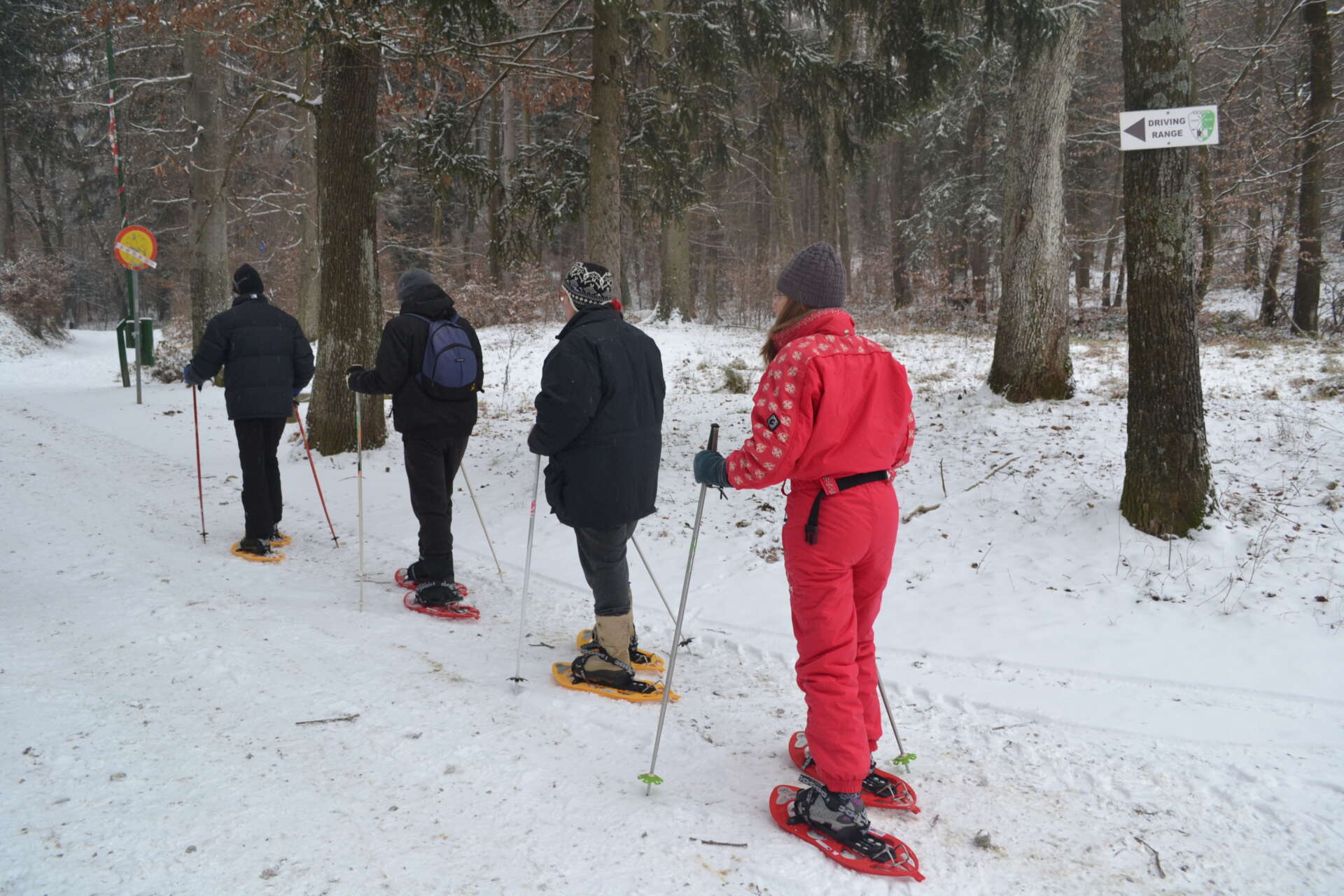
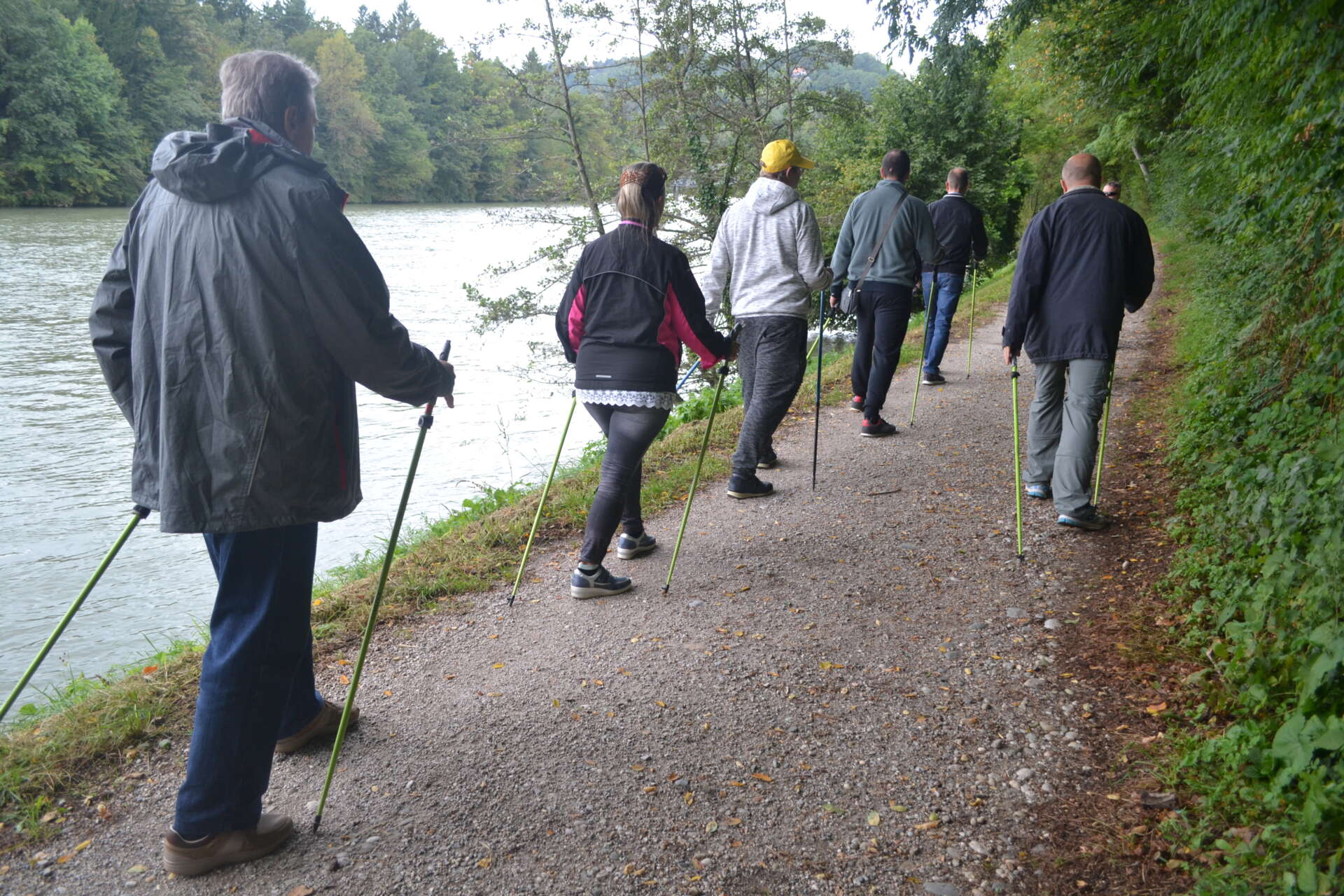
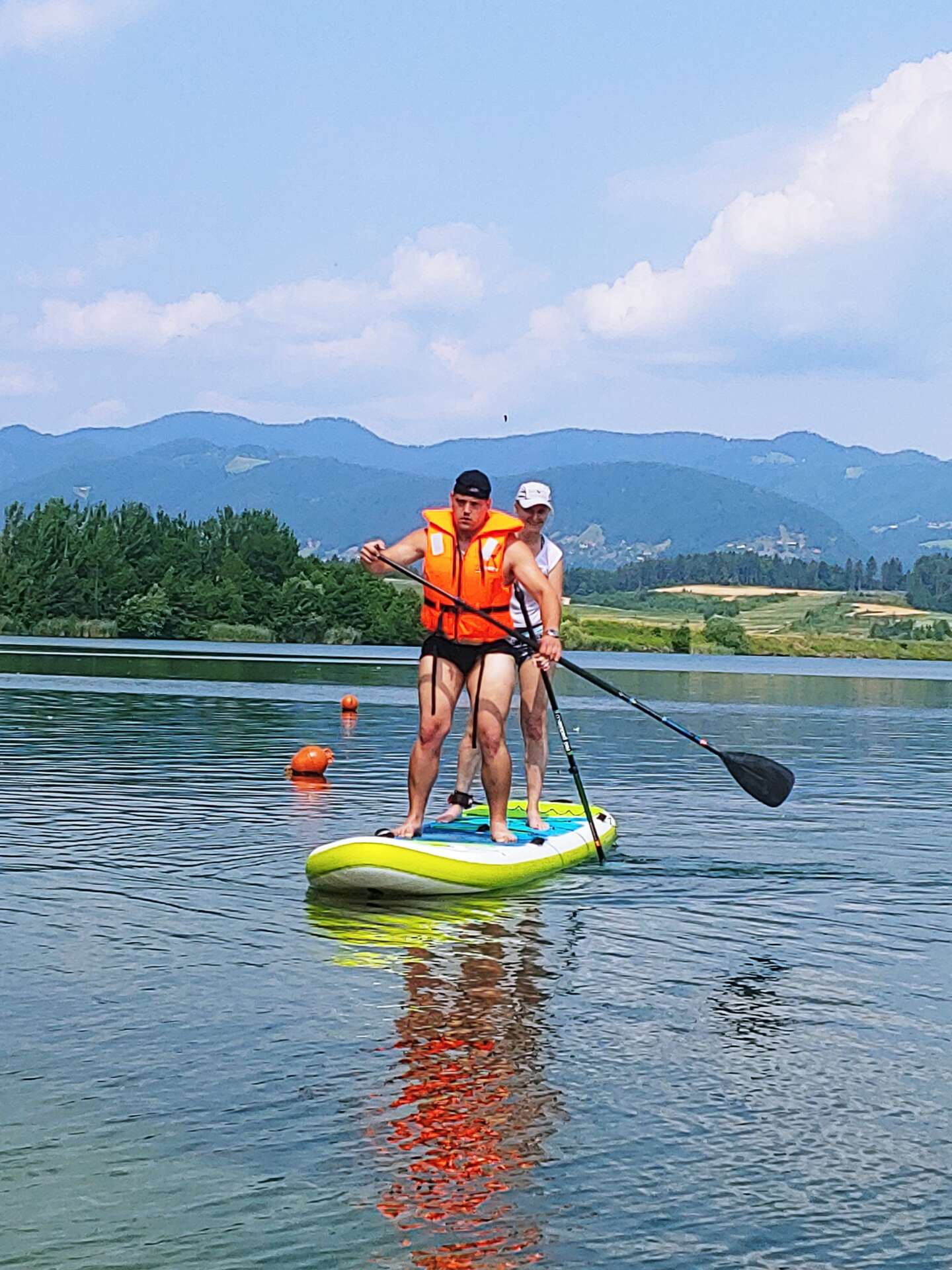
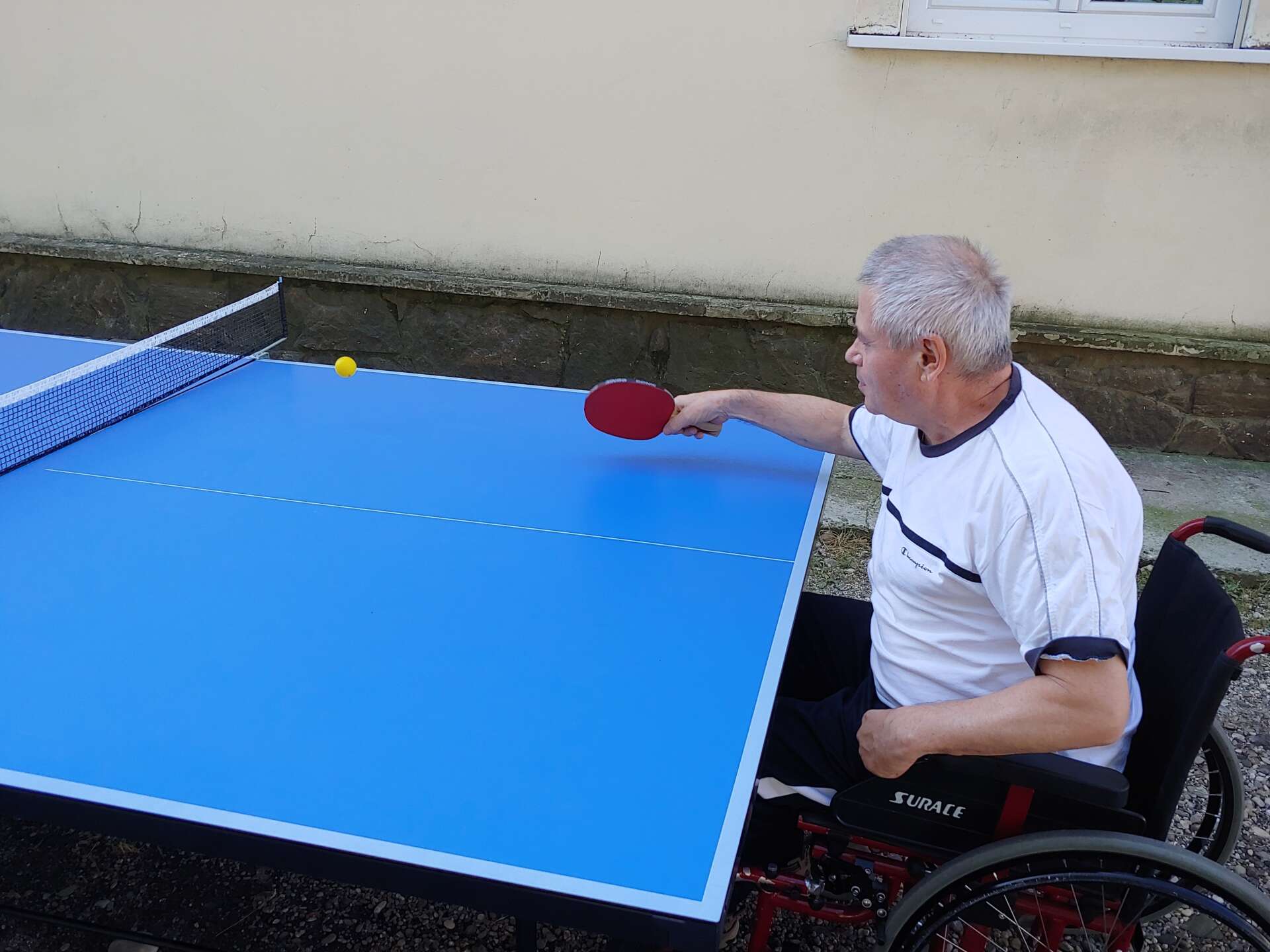
We offer service users many ways to rebuild their motor skills every day, with activities both at the centre and outside it (in real-life settings).
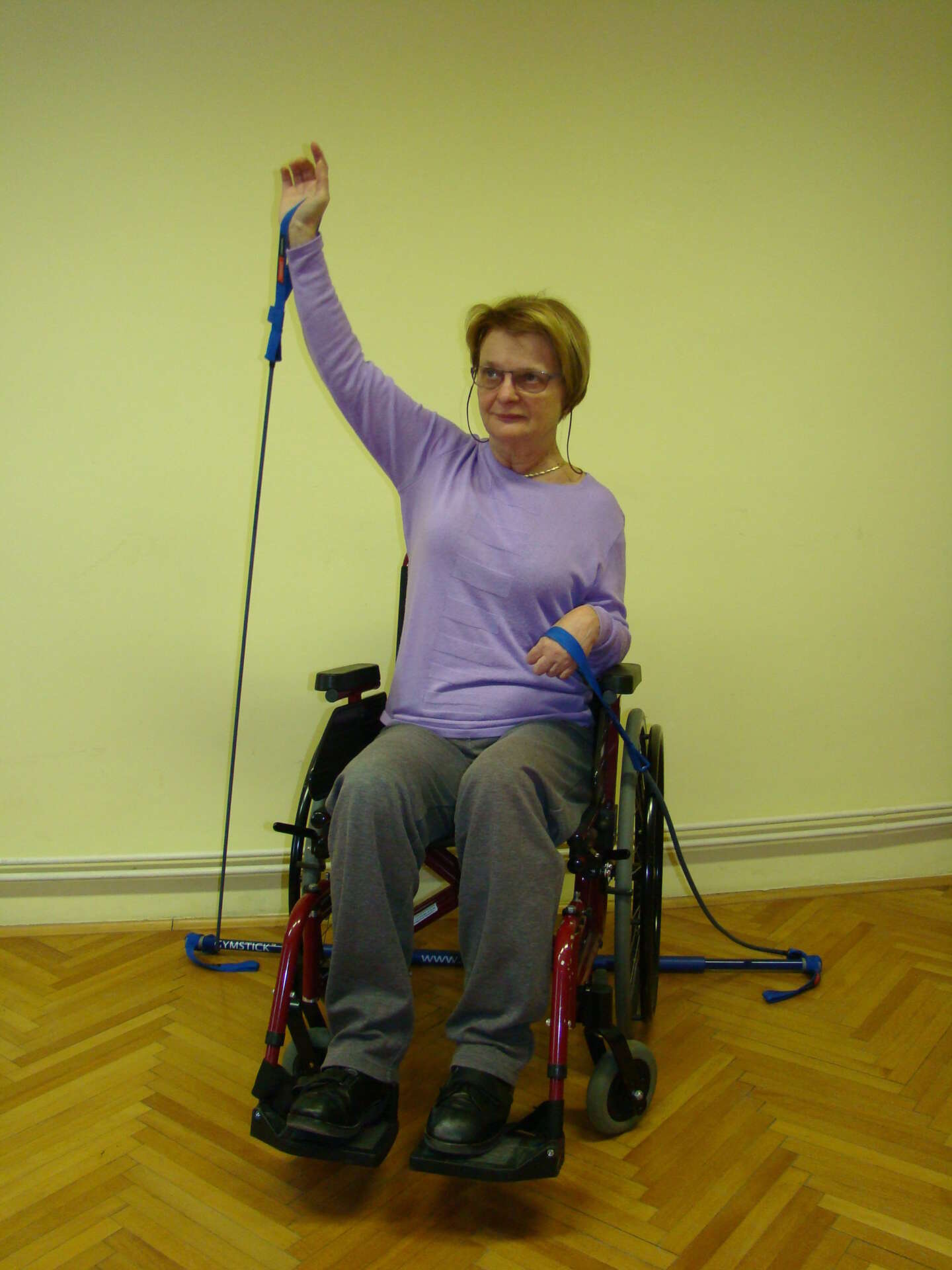
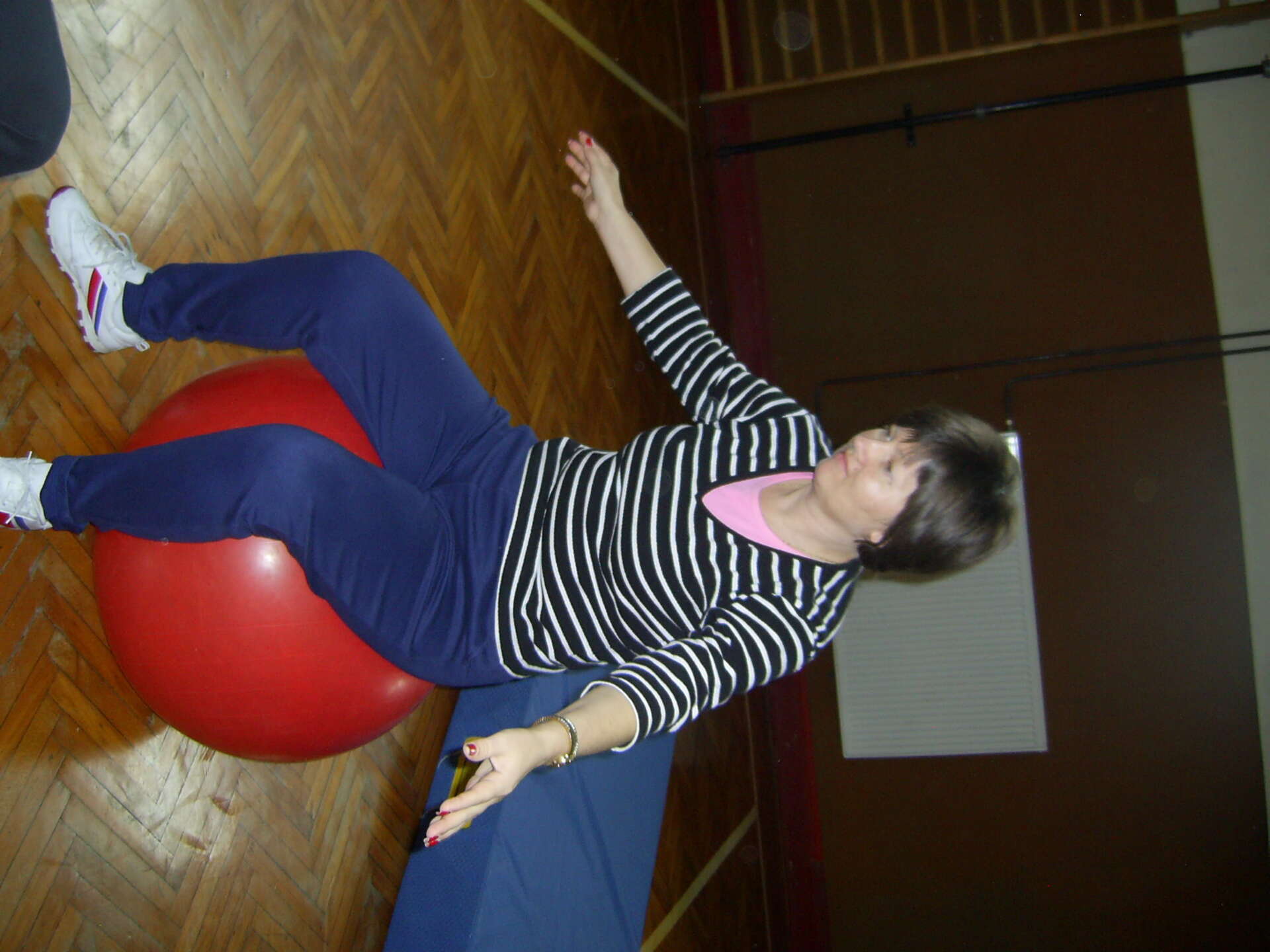
- group exercise at the centre, with or without equipment (balls, sticks, resistance bands,…)
- individual neurorehabilitation (Bobath concept, PNF, motor relearning model)
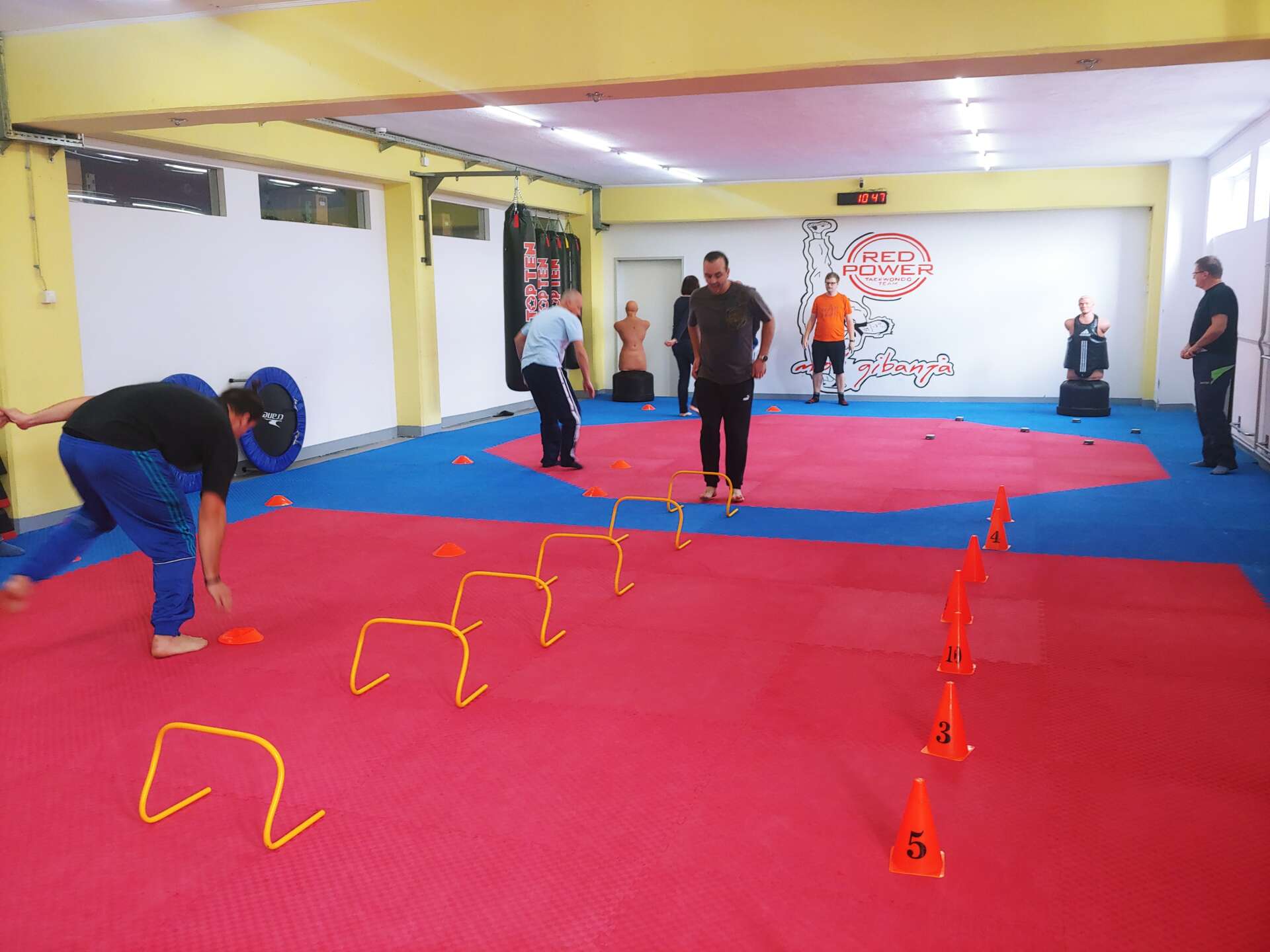
- group exercise in a gym
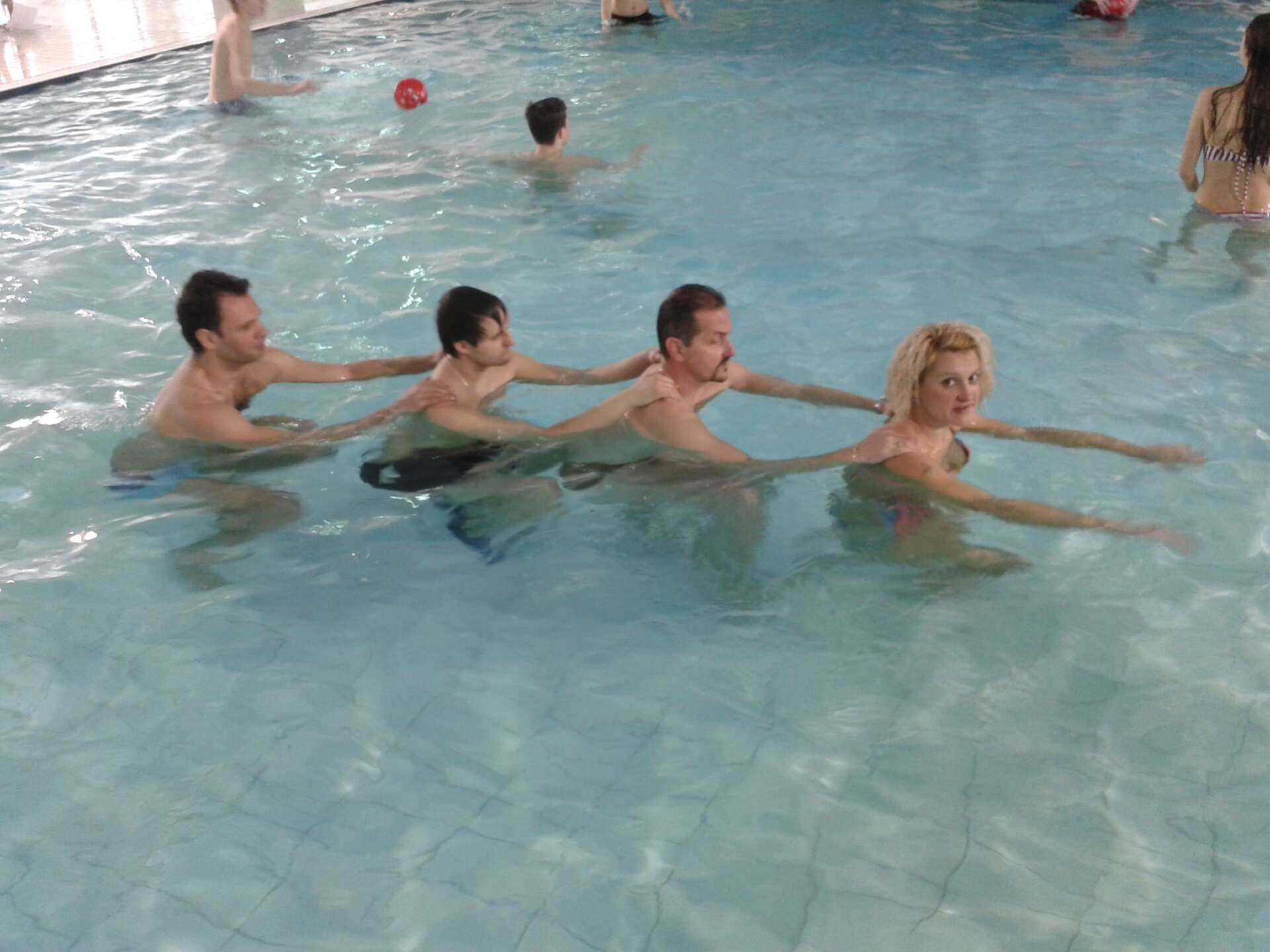
- therapeutic swimming
- therapeutic riding
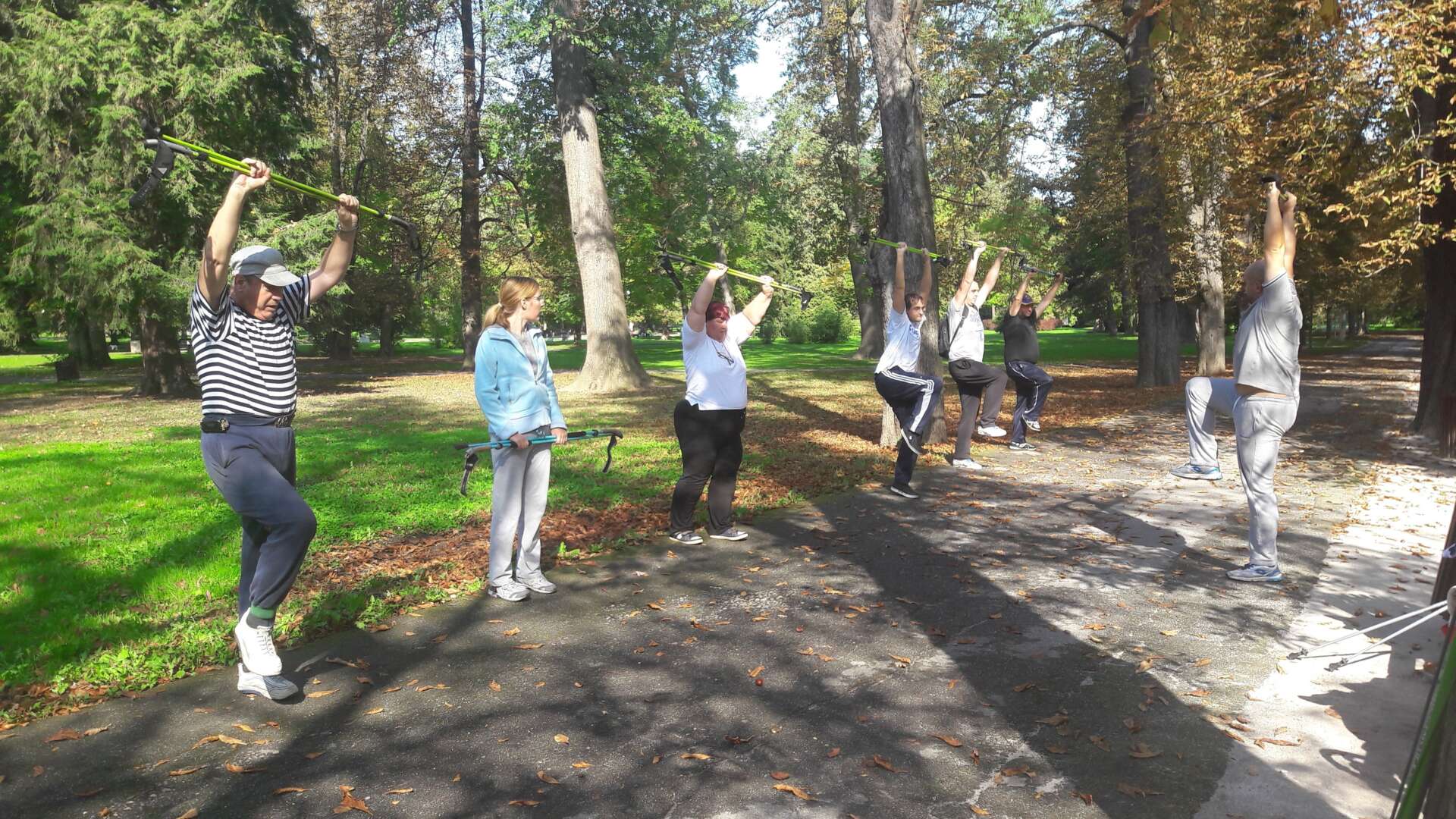
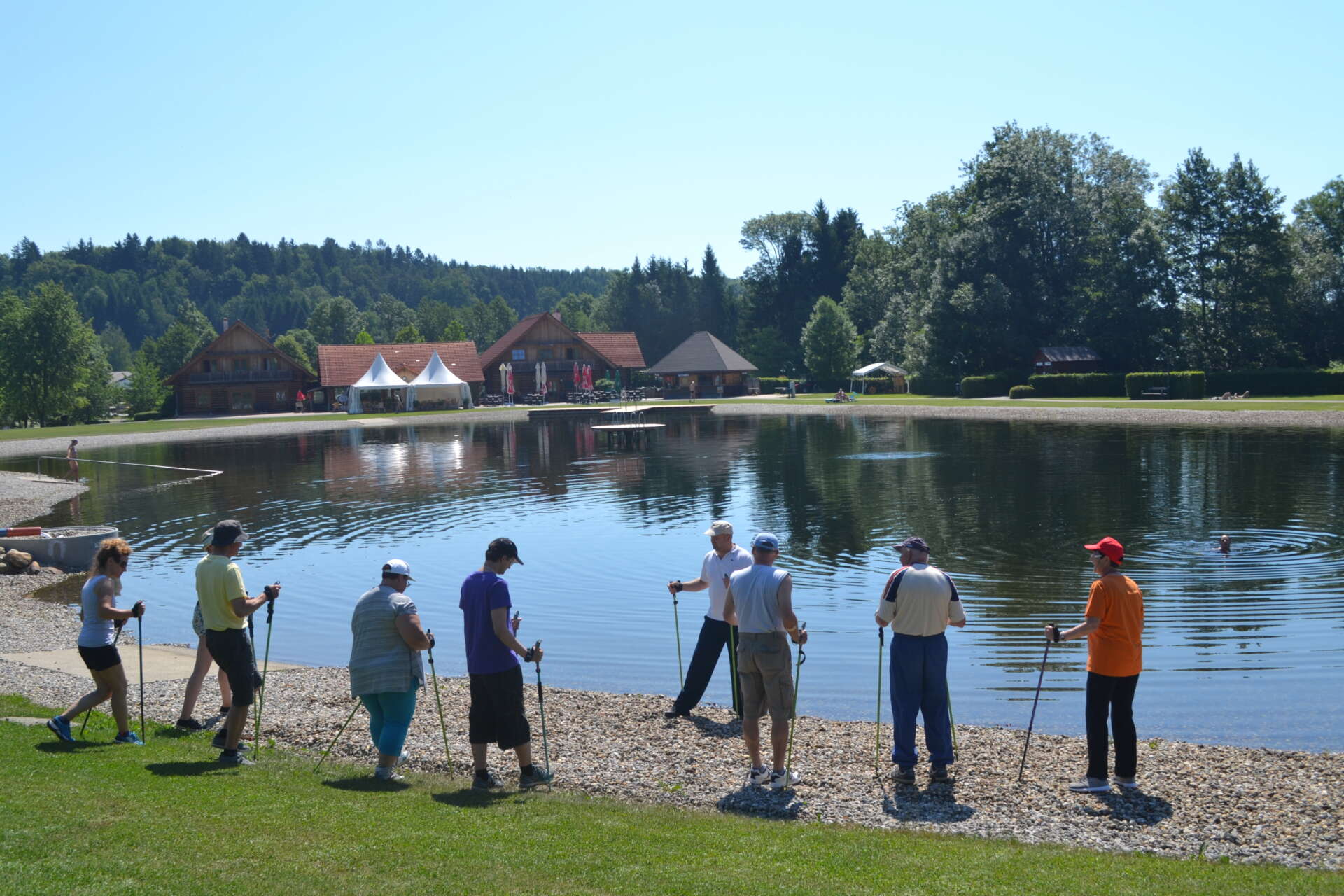
- Nordic walking
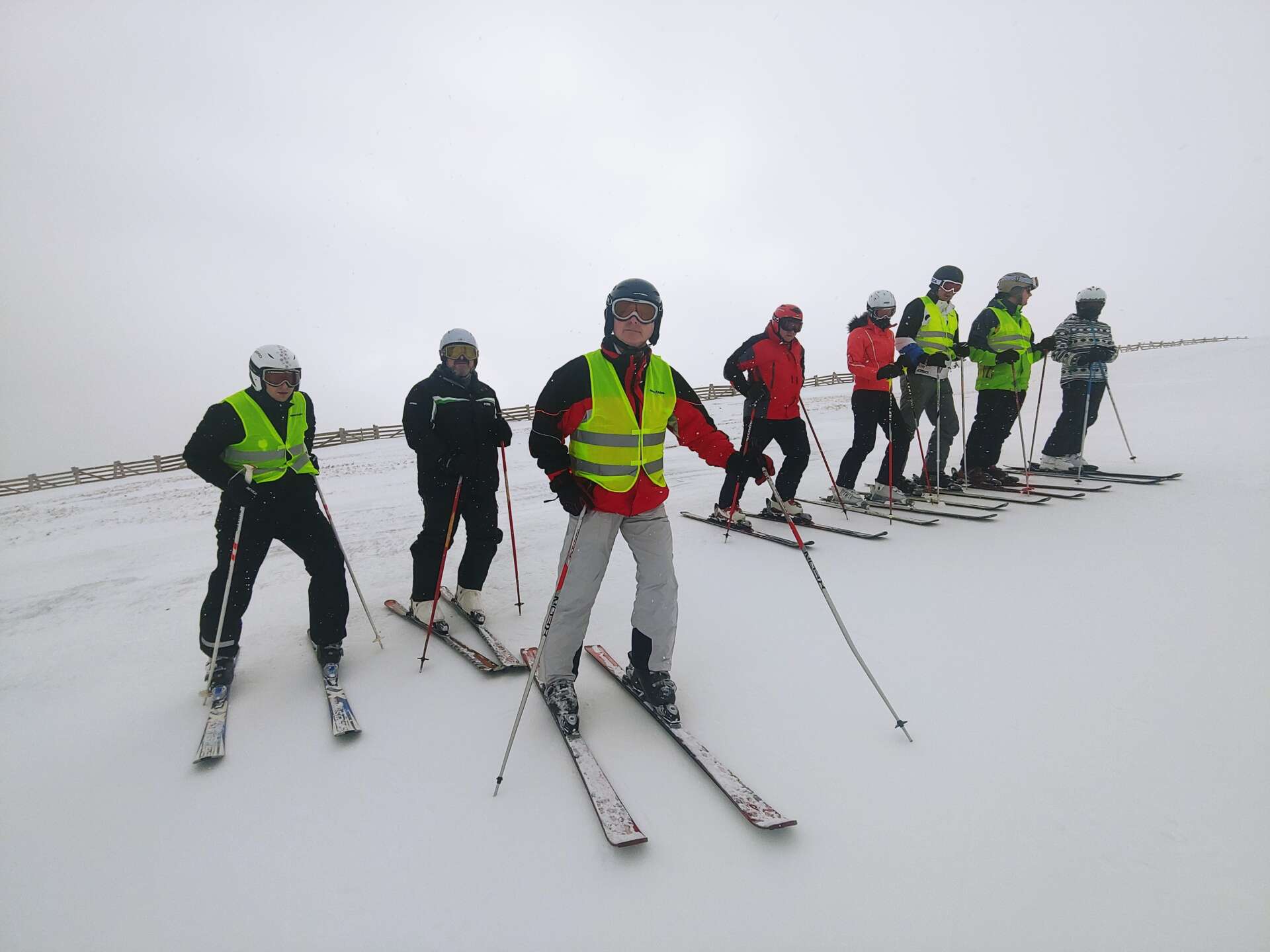
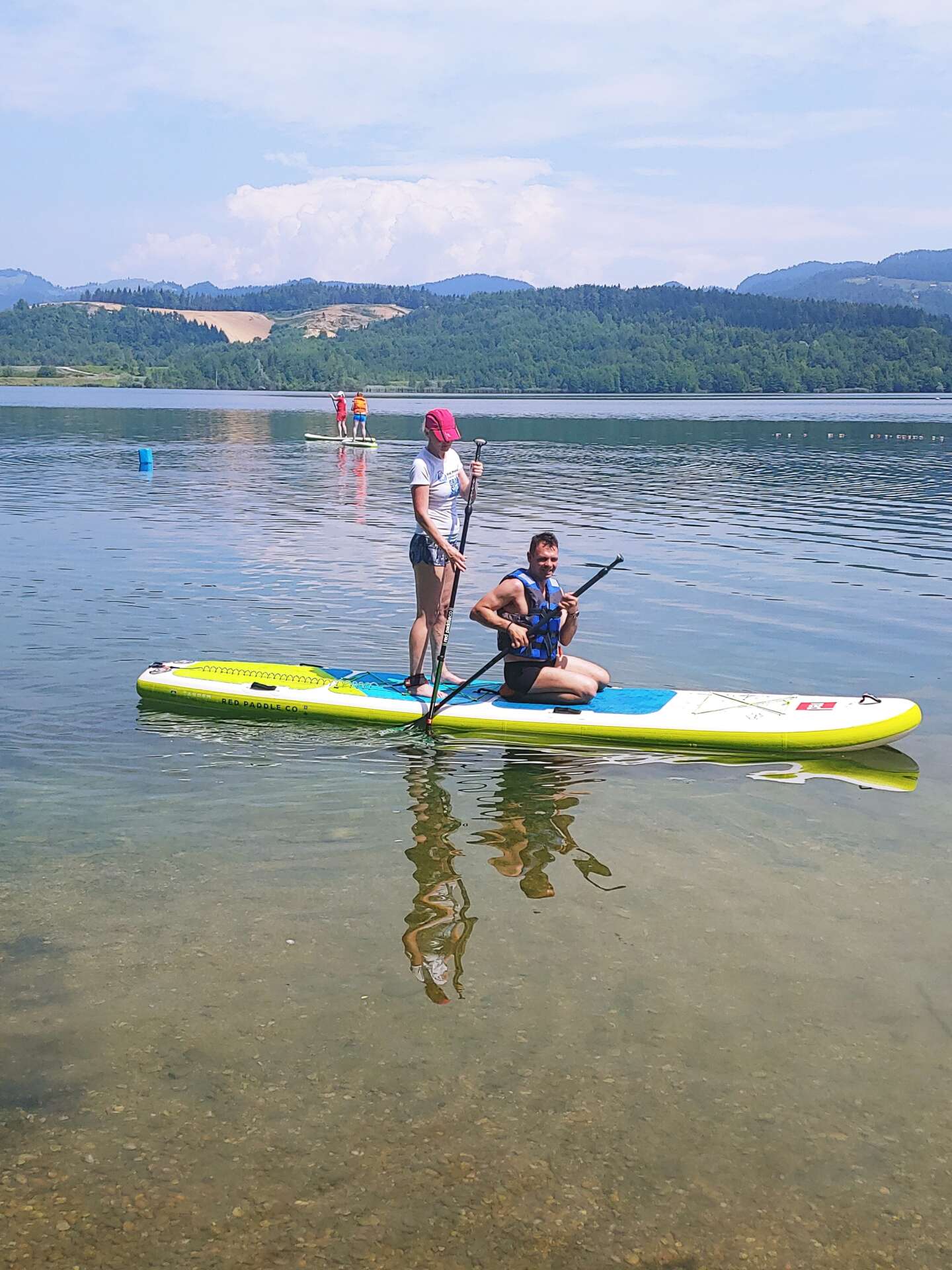
- various sports activities
- training on an elliptical cross-trainer
- training on an exercise bike
To ease our users' difficulties we also use magnetotherapy and various forms of electrotherapy, ultrasound and laser. We also provide light therapy with a Bioptron device and therapy with the FitMi neurorehabilitation device.